
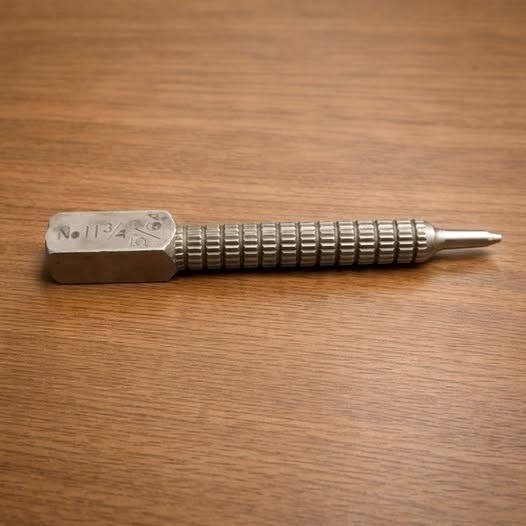
“Relikwieën uit het verleden” — Waarom oude voorwerpen nostalgische gevoelens oproepen (en wat ze ons over tijd onthullen)
🌉 How to Keep These Stories Alive
- Ask elders: “What’s an object you used daily that’s gone now?”
- Visit museums: Many have “touch tables” with historical tools
- Repurpose thoughtfully: Turn a typewriter into art—but keep its story visible
- Teach context: Show kids how a film camera works—not just as a prop, but as engineering
📸 Try this: Take a photo of a “relic” in your home. Caption it:
“This is ______. My [grandma/dad/neighbor] used it to ______. It reminds me of ______.”
💡 Final Thought: The Quiet Poetry of Obsolescence
These objects aren’t just curiosities. They’re monuments to human ingenuity—solutions to problems we no longer face, crafted in eras with different limits and dreams.
When we laugh at a “weird old thing,” we’re really laughing at time’s relentless march. But when we say, “I used to use that every day,” we’re stitching the past into the present—one memory at a time.
“Every relic holds a ghost of routine—the ordinary magic of a world that once was, and the hands that made it work.”
What “relic” lives in your attic or memory? Share its story below—we’re all time travelers, carrying fragments of yesterday into today. 🕰️
Continue reading by clicking the button (Continue Reading »») below!